
西游记后传
Shanghai sci-tech museum welcomes 100 millionth visitor amid tech travel boom_我的网站

一 |
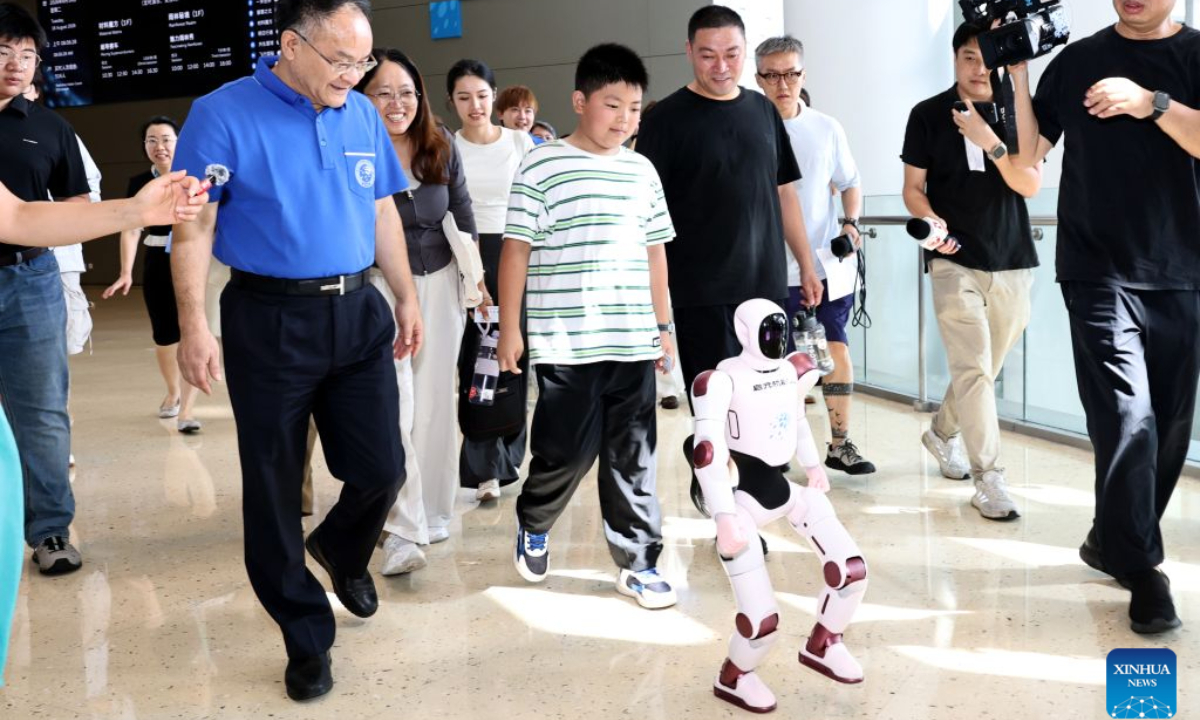
Zhang Zhiheng, a boy from east China's Shandong Province, was the landmark visitor. He visited the museum with his parents on the second day of his first trip to Shanghai.
Since opening its doors to the public in late 2001, the museum has grown into one of China's most popular science and education destinations. Through a wide range of science and technology activities and programs, it remains dedicated to boosting public scientific literacy and sparking curiosity in visitors of all ages.
After being closed for over two years for upgrading, the museum reopened early this year. It now also includes two branches: the Shanghai Natural History Museum and the Shanghai Astronomy Museum.
Back in 2001, the proportion of Chinese citizens with scientific literacy was only 1.4 percent, and the figure had risen to 16.74 percent by 2025, according to official data.
As public interest in science has grown, visits to science and technology museums have increasingly become part of everyday life.
For many families, museums have become a popular destination during holidays and weekends, offering children opportunities to expand their knowledge and broaden their horizons.
"The biggest change I feel during my museum visits is that science and technology keep advancing," said Zheng Qina, a post‑90s visitor from Shanghai. She was nine years old when she visited the museum in 2001. Today, her five‑year‑old son is also a regular visitor.
The trend is also extending to international travelers. With China's inbound tourism gaining momentum following eased visa policies, science museums have emerged as an increasingly popular destination for overseas visitors seeking a closer look at the country's technological development.
From January to July this year, the Shanghai Science and Technology Museum and its two branches received nearly 200,000 foreign visitors, accounting for nearly 5 percent of the total visitor numbers.
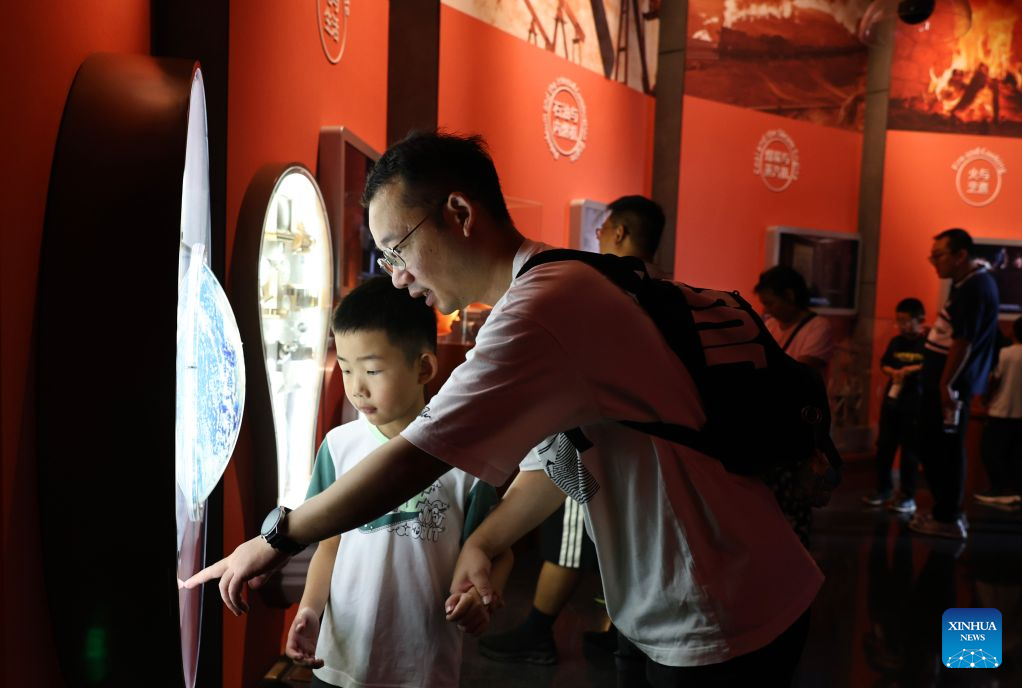
Francisco and his parents, a family from Italy, were among the visitors on Tuesday. After touring an exhibition on green energy, Francisco said he was deeply impressed by displays showcasing China's nuclear and hydrogen energy technologies.
In recent years, China has made major advances in fields ranging from artificial intelligence and humanoid robots to quantum science, green energy, space technology, life sciences and physical sciences. Science and technology museums offer visitors an opportunity to explore some of these developments through exhibitions and interactive experiences.
For Ni Minjing, director of the Shanghai Science and Technology Museum, a notable change among visitors is that they have shifted from passive recipients of knowledge to more active explorers of science.
"Teenagers in particular now have abundant channels to acquire knowledge. The role of science and technology museums can no longer be merely about resolving doubts," Ni said. "Instead, through diverse forms of science popularization, museums should inspire visitors, especially young people, to think and create."
"We will continue to innovate the way we popularize science, enrich science-related content, promote the spirit of scientists and foster a culture of innovation, so as to spark young people's curiosity, imagination and desire to explore," Ni added.
。 8月2日,杭州机场两项运输指标刷新纪录——运送旅客16.69万人次,起降航班1036架次,单日旅客量、航班量均创通航以来历史新高。

二 | 今年暑运时间过半,杭州机场旅客运输量持续攀升,已累计运送旅客493万人次,同比增长1.2%,日均保障进出港旅客近15万人次。

三 | 随着暑运亲子游、研学游需求集中释放,杭州机场积极优化航线网络布局,持续加大热门方向运力投放。如新疆方向,航线扩展至乌鲁木齐、克拉玛依、喀什、图木舒克、库尔勒、阿克苏、阿勒泰和阿拉尔8城,每周航班量达190班次。同时针对客流集中的北京、广州、深圳、成都等主要城市,增加宽体机比例,进一步提升旅客出行品质。出入境方面,暑期杭州机场新增釜山航线,加密了胡志明市、吉隆坡等热门国际航线。伴随着免签政策红利的持续释放,7月1日至8月2日,杭州机场累计出入境旅客人数达44.3万人次,其中享受单方面免签、互免签证及过境免签政策入境的外籍人员占入境外籍人员总量近六成。

四 | 客流持续走高、服务温度不减。暑运以来,杭州机场持续深化与属地文旅部门的协同联动,提升文旅市场活力。

五 | 旅客抵达杭州后,落地即可享受“演赛GO滨江”“一票游萧山”等文旅项目福利,通过机票权益互通、消费补贴叠加,放大航空引流效能,拉动文旅消费转化,构建“航空+文旅”融合发展新格局。
Current article:http://lindunfokangliucishirun.shop/news/20260826_4572.html
Published on:01:20:51
最新文章
标签云
热门文章
- 配六边形星环黑曜格栅/增两款专属车色 艾瑞泽8 PRO 2.0T官图
- Cambodia links KHQR with WeChat Pay for Chinese travelers
- Stellantis预计半导体供应将于2023年底恢复正常
- Amazon, Tripadvisor team up to battle fake reviews while FTC seeks ban
- 中证商品期货系列板块指数正式发布:覆盖40条细分板块指数,助力提升大宗商品...
- Americans favor continued support for Israel but still sour on Biden's performance overall: POLL
- EU says green recovery way forward in SL
- 兰帕德:我们真的想要去竞争,阵容必须足够强大
- 建昌县开展消防安全隐患自检自查活动
- 八届兴城市委第六轮巡察全面展开